
Croire la peinture (cur. Guillaume Oranger)
Clémentine Bruno, Nino Kapanadze, Augustin Katz, Arthur Marie, Kentaro Okumura, Bernard Piffaretti, Nana Wolke, Coco Young
April 1st - May 23rd, 2026
Michel Rein, Paris /1st floor
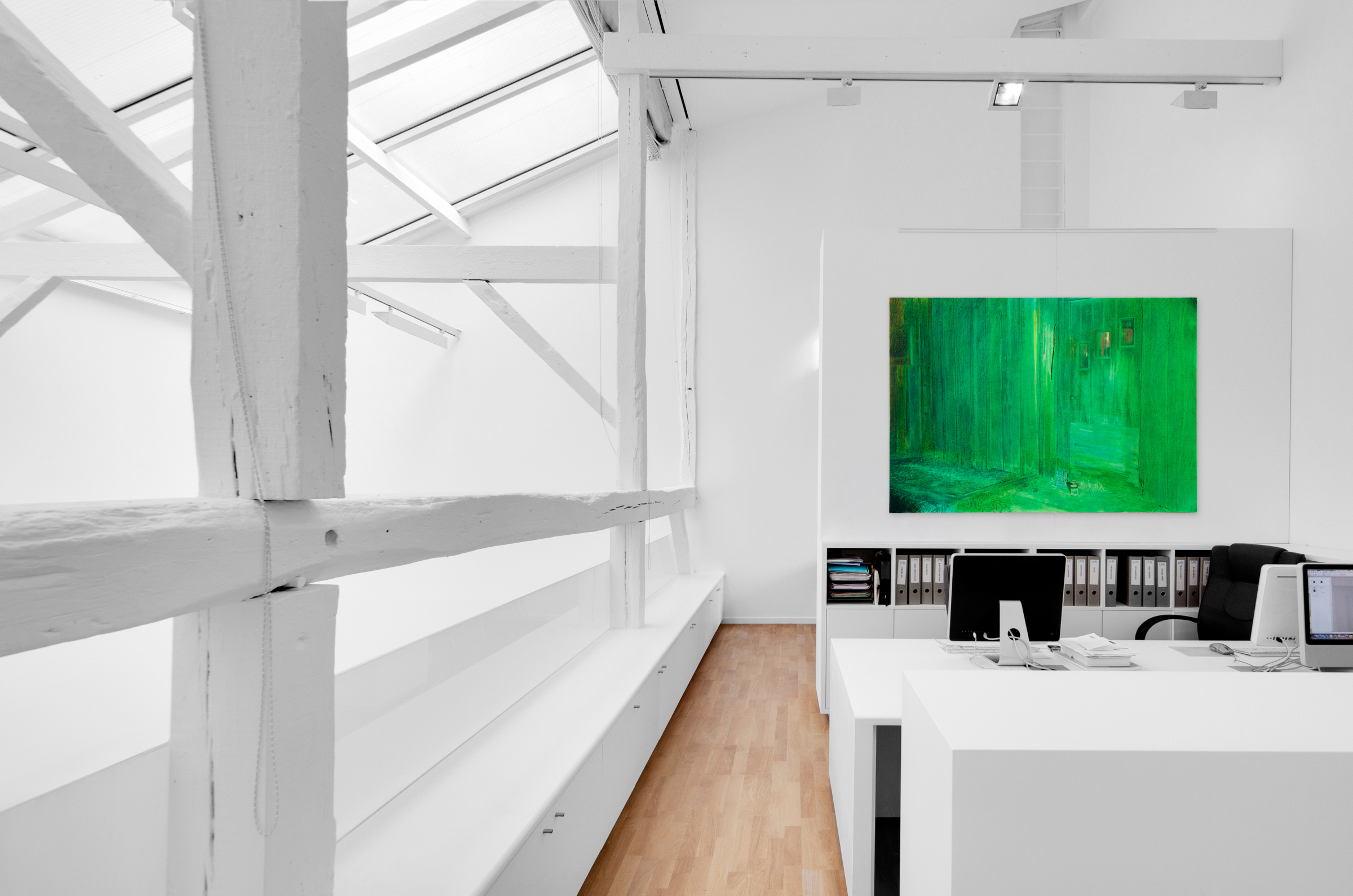
Installation views
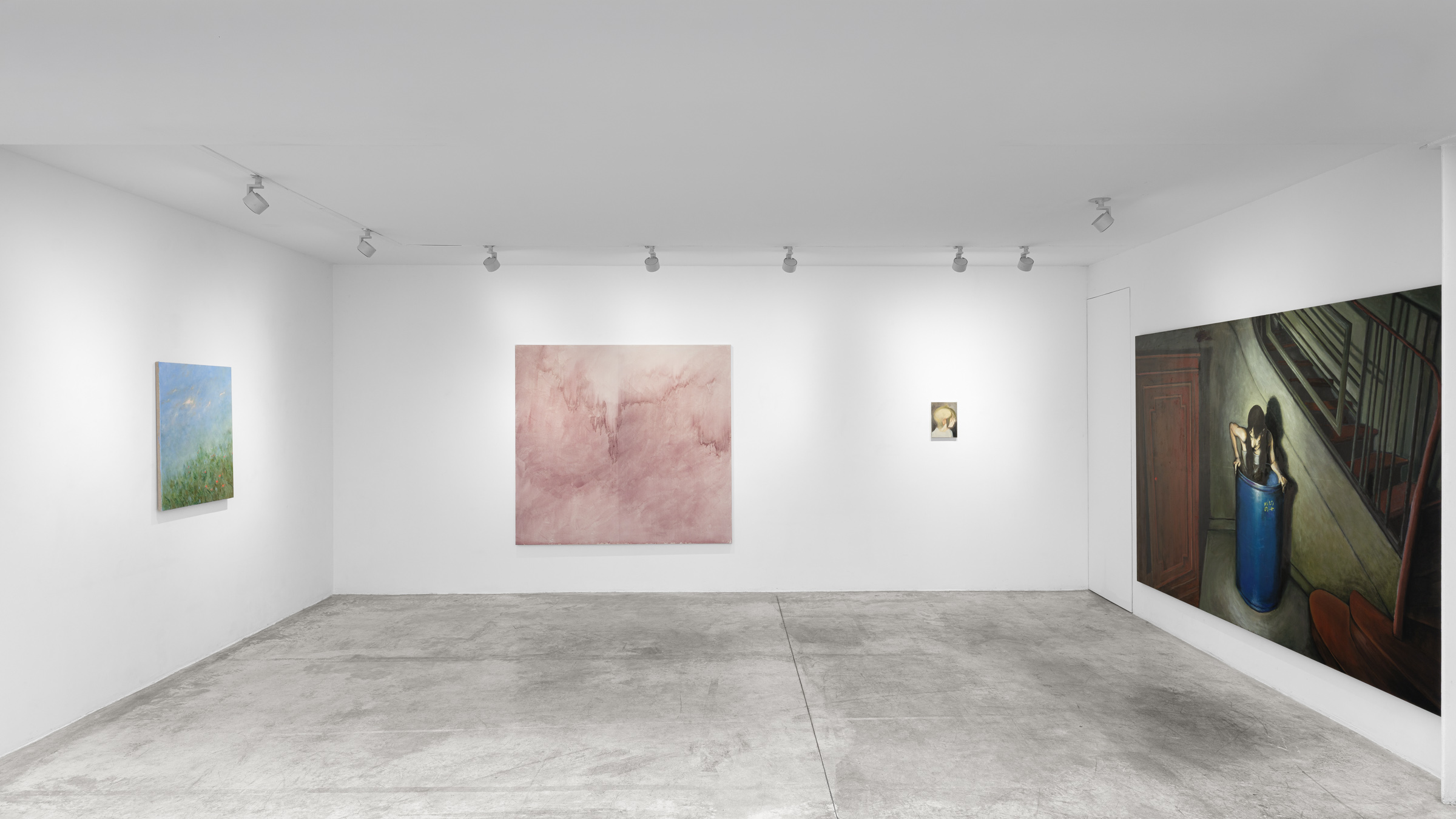
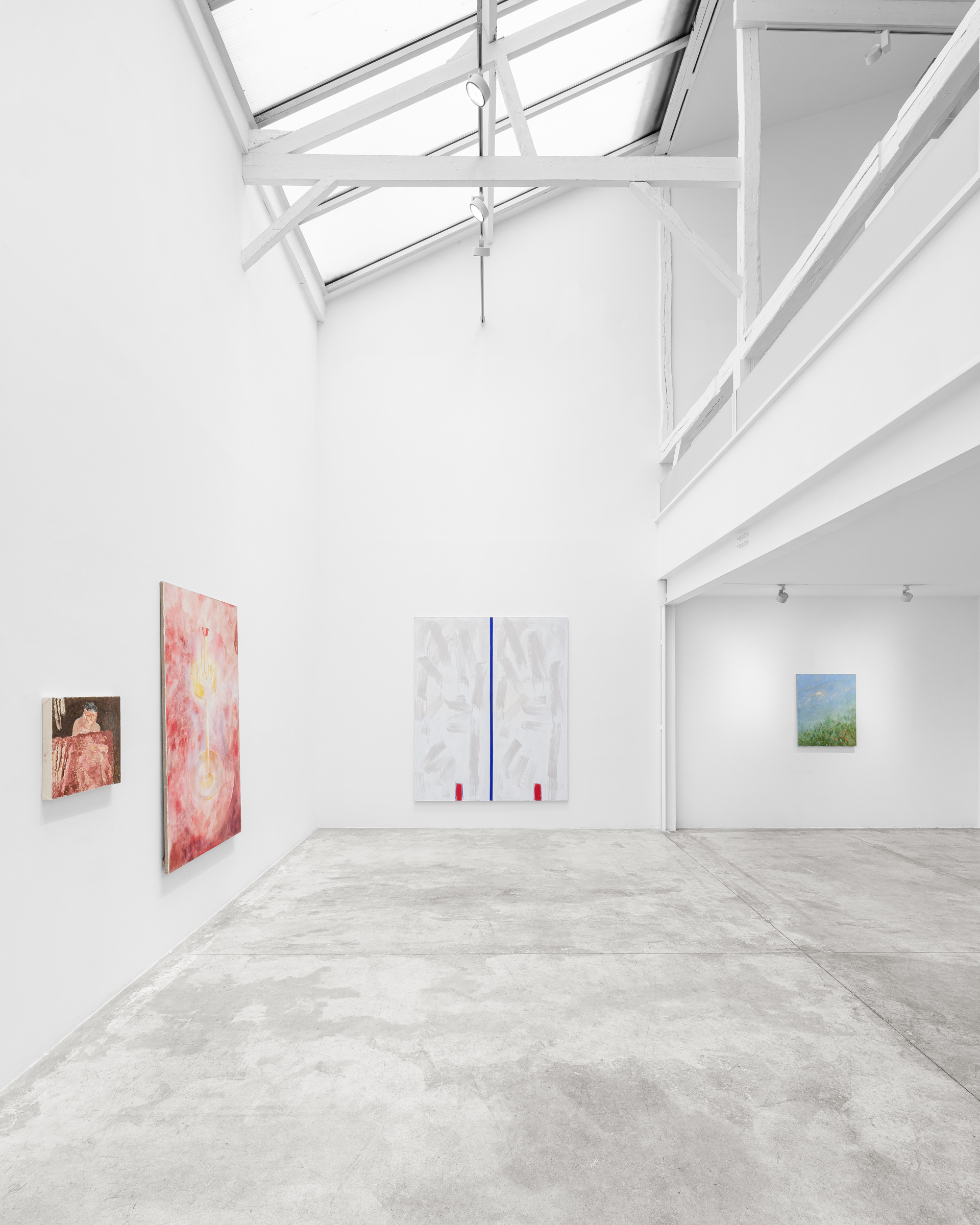
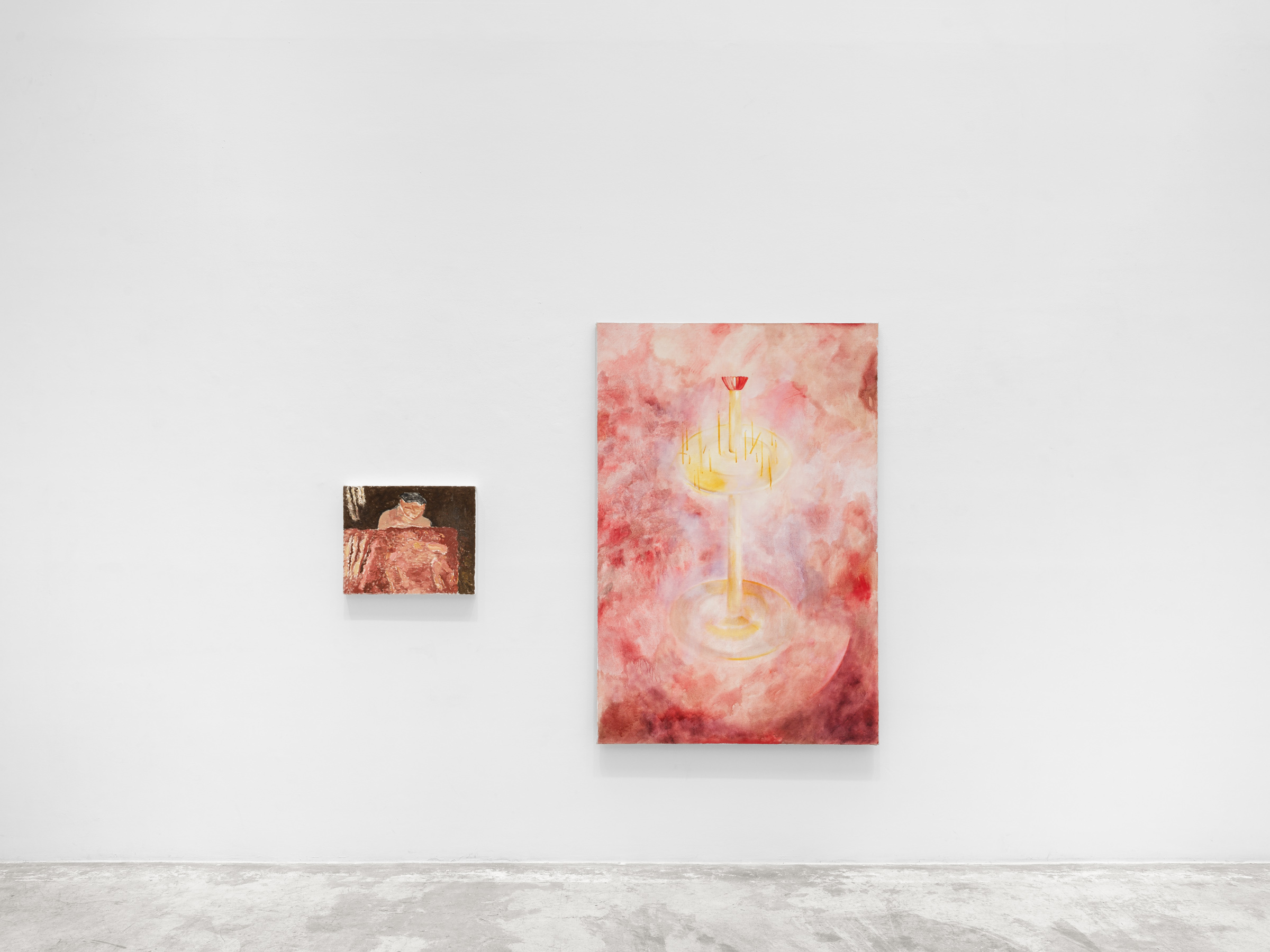
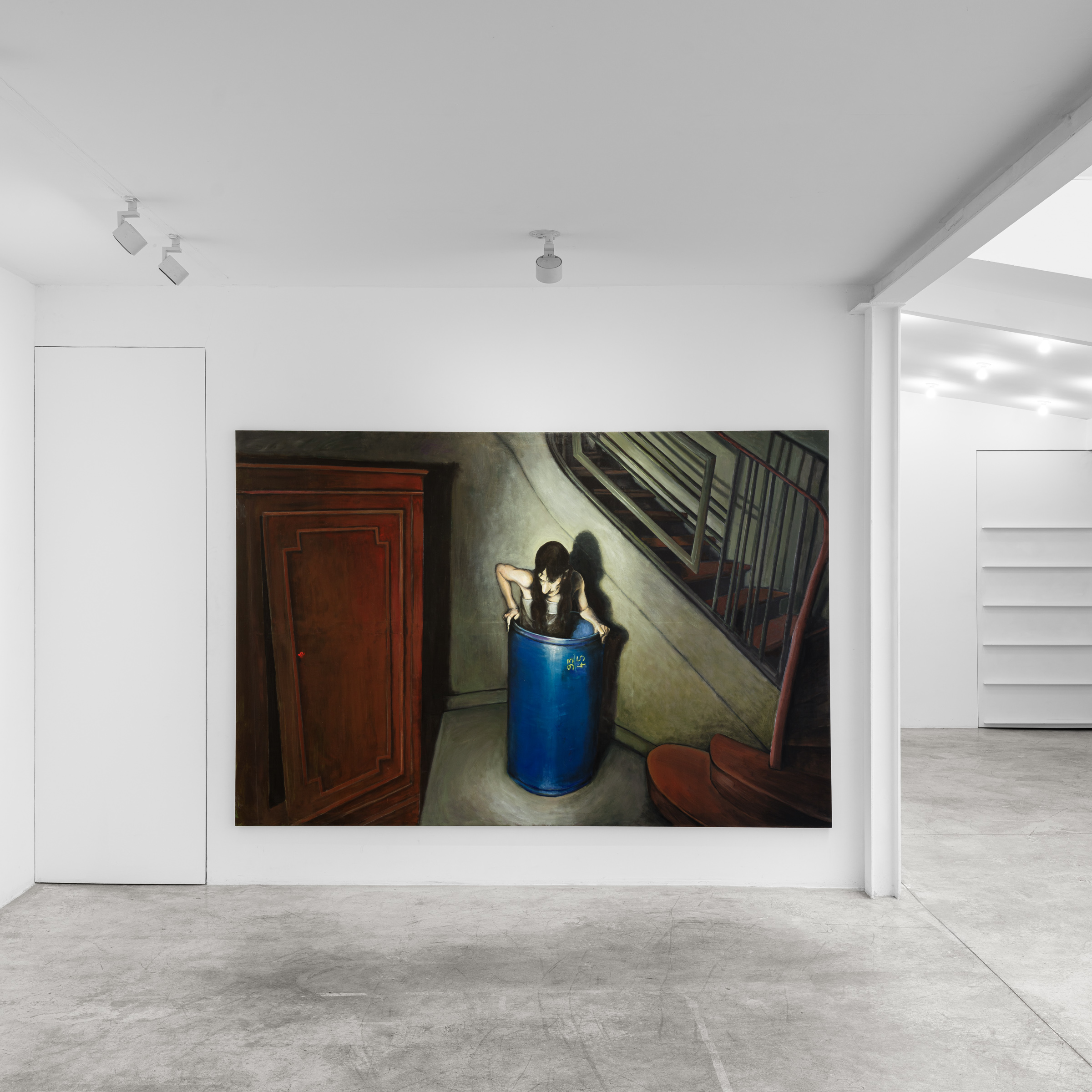
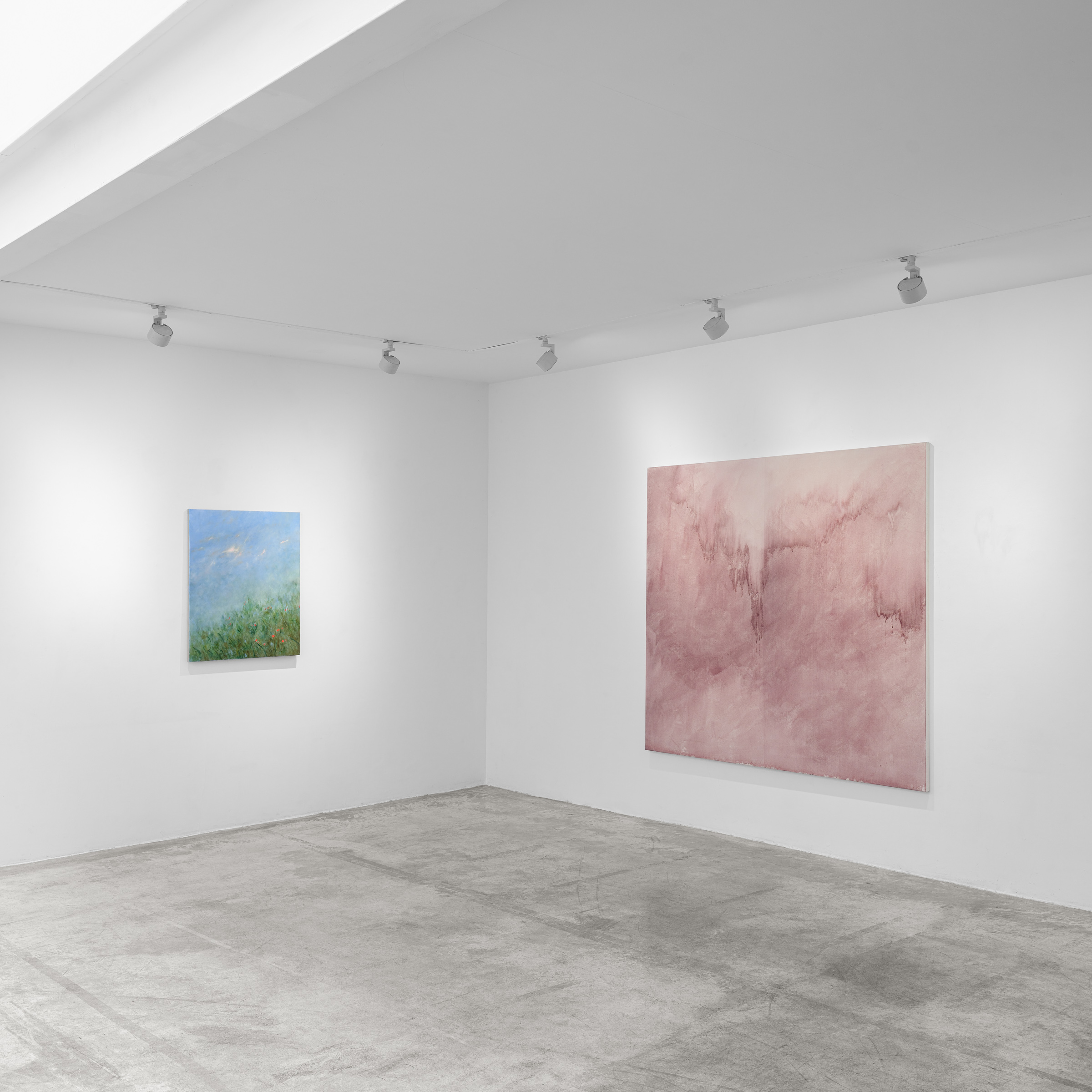
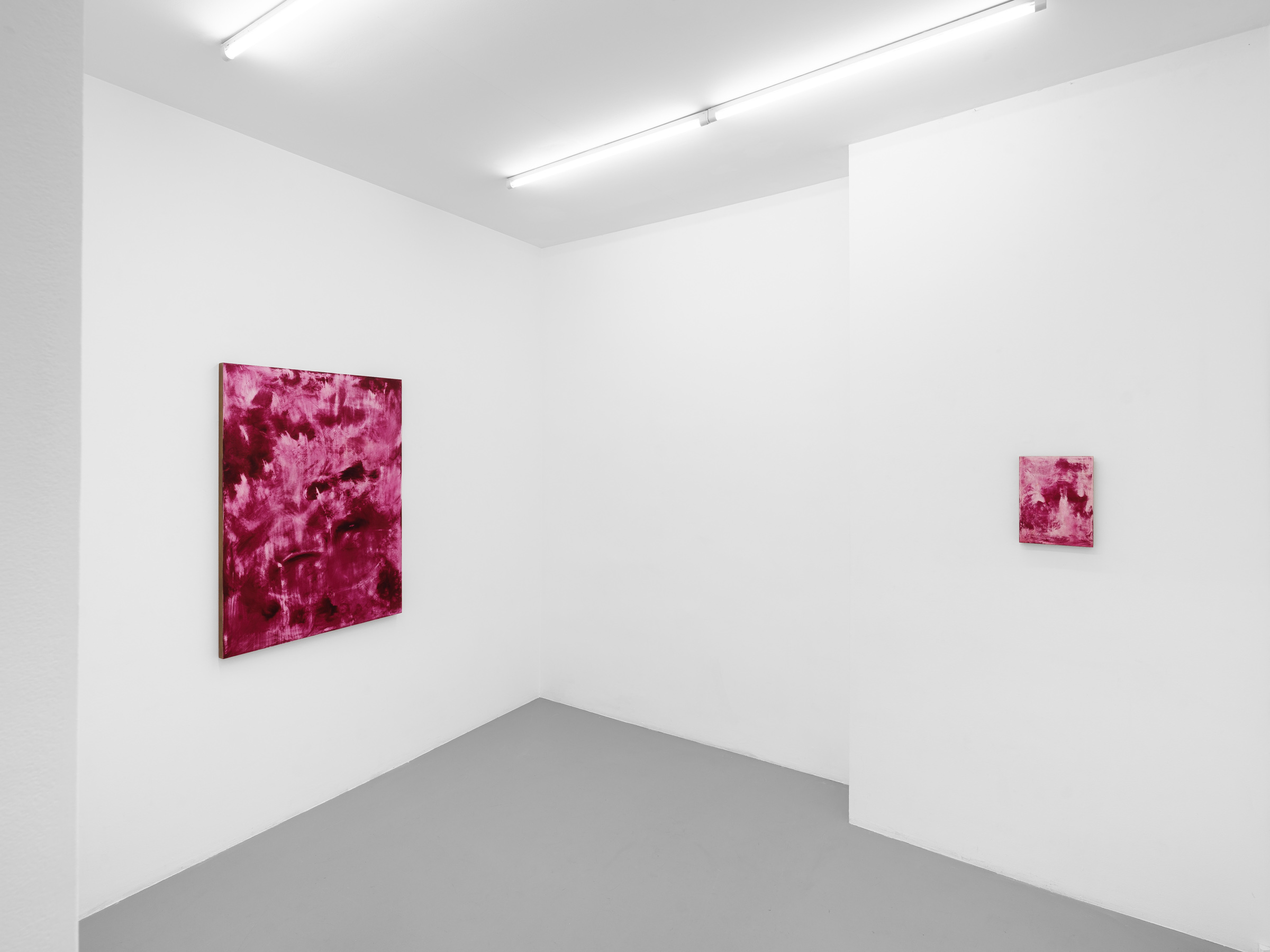
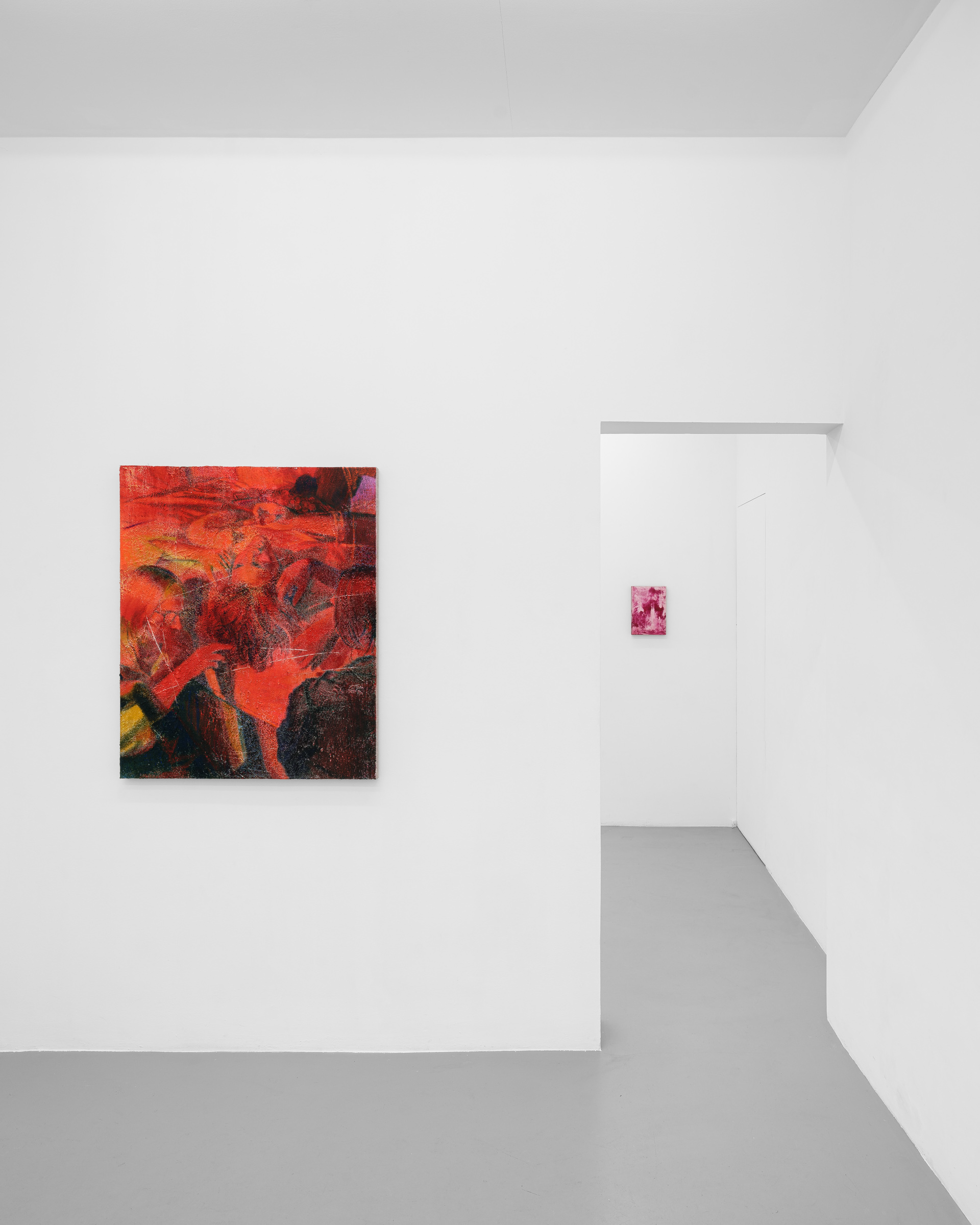
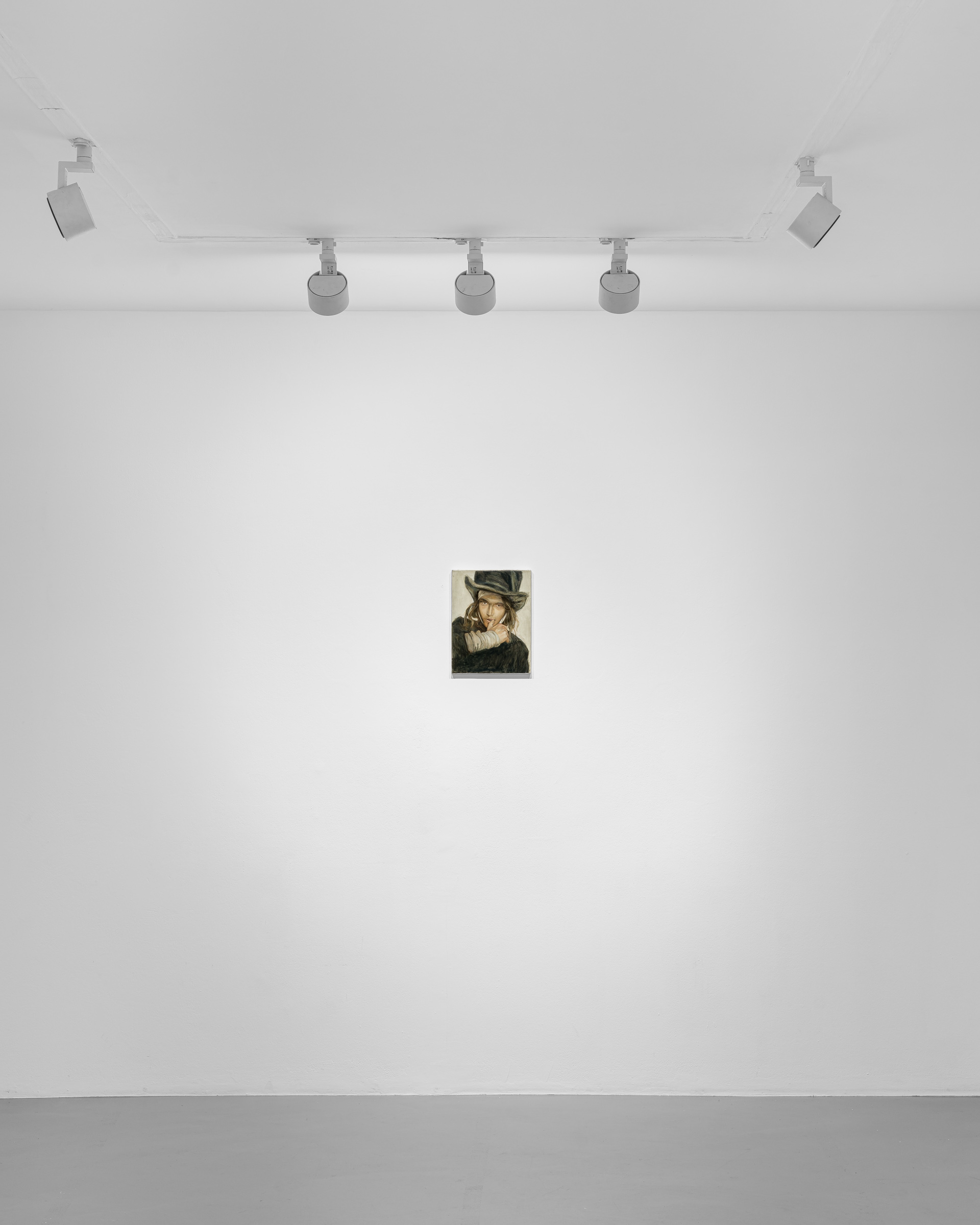
About
With Clémentine Bruno, Nino Kapanadze, Augustin Katz, Arthur Marie, Kentato Okumura, Bernard Piffaretti, Nana Wolke, Coco Young.
The liturgical function of painting is far behind its more recent developments. Yet it remains possible to work beyond knowledge, in a kind of dawn of truth or perhaps its mirage, within the contemporary regions of doubt: recalled, perceived, dreamed, fictional, fictive, forgotten, possible, yet to come. Indeed, once it is said that any painting, which is never just one single thing, is in principle all the things it is simultaneously, that is, a complete object, there, unified and full, but differently for each person, for as many eyes, but above all, memories, and thus with the incalculable pasts and futures that every painting calls forth, the ocean of connections that can be made upon it - something, in short, profoundly elusive and that history, philosophy, and sociology could only exhaust together—one may add that it is always this: the resting place of a belief.
For there to be interaction with it, movement, for it to function—or better, to operate—it must be granted enough trust; one must subscribe, however slightly, even without being fully aware of it, to the vision of the world that it implies and of which it is the image. Painting, then, whether produced or viewed, as the individual formalization of a state of being in relation to the world, among others; structurally, as the way humanity still represents (itself and) its connections with what lies beyond knowledge, those persistent forms of belief of which recalled, perceived, dreamed, fictional, fictive, forgotten, possible, and yet to come are examples among others. Painting as a god of the imagination. Painting nonetheless as an instrument of knowledge: what does our mind see, how does it see? Painting above all as a place of embrace.
Whether it turns here toward landscape (Coco Young) or, on the contrary, avoids it (Clémentine Bruno); whether it begins from an existing image—unconscious fragments of the mind (Augustin Katz), archetypal zones of visual culture (Nana Wolke), retinal impressions already brushing against memory (Kentaro Okumura)—or, conversely, never ceases to disguise it, and thus to return to it (Arthur Marie); whether, even when abstract, one senses the muted presence of the real (Nino Kapanadze), or whether abstraction, which first occupied the left half, is drawn freehand on the right half (Bernard Piffaretti)—that is to say, despite the endless sequence of differences between them, always a disposition of mind emerges. It concerns their shared way of existing, activating in different ways the necessity of adherence, of investment, in order to see something beyond what they formally are (landscape, portrait, abstraction or figuration; such place, face, object, image), and beyond what we are before them.
Painting as an act—unceasingly transformative—of faith. Within this disposition of mind, it becomes clear that the paintings that inspire it in us, and painting as a principle, overflow their content, and that in truth we are not before them, but after them: that subjectivity exists only in the rebound, upon them and upon the world, from it—a Basketball Drawing by David Hammons would say it better. Perhaps this is what all painting, past or present, can teach us: to exist is, as we measure ourselves against it, to measure ourselves against reality; and to measure ourselves against it is already to exist; in the same movement, it is to believe.
Guillaume Oranger is an art critic, researcher in contemporary art history, and curator based in Paris. He works primarily on modernist and contemporary painting, most recently on Pierre Soulages and Jonathan Lasker (Sorbonne Université). He has published studies on Robert Smithson and Jonathan Lasker (Cahiers du Musée national d’art moderne (Centre Pompidou)), Peter Halley and Jacqueline Humphries (Arcane), as well as on ML Poznanski, Maria Helena Vieira da Silva, Jackson Pollock, Robert Longo, Rudolf Stingel, and Neo Rauch (artpress).
