
Pastoral Melody
Hugo Ruyant
September 4th - October 10th, 2026
Michel Rein, Paris
Installation views
About
There is always, in Hugo Ruyant’s painting, a slight displacement. Nothing is demonstrative. Everything is a matter of thresholds. The forms remain recognisable, yet their apparent certainty begins to waver. The symbol is never simply stated. It emerges, almost imperceptibly.
Colour structures this space of uncertainty. It does not accompany the subject; it transforms it. It generates its own force, a kind of mental light that distances the motifs from any descriptive reading. The history of painting is present throughout, but as a foundation, a substratum. It nourishes the gaze without ever imposing itself as quotation.
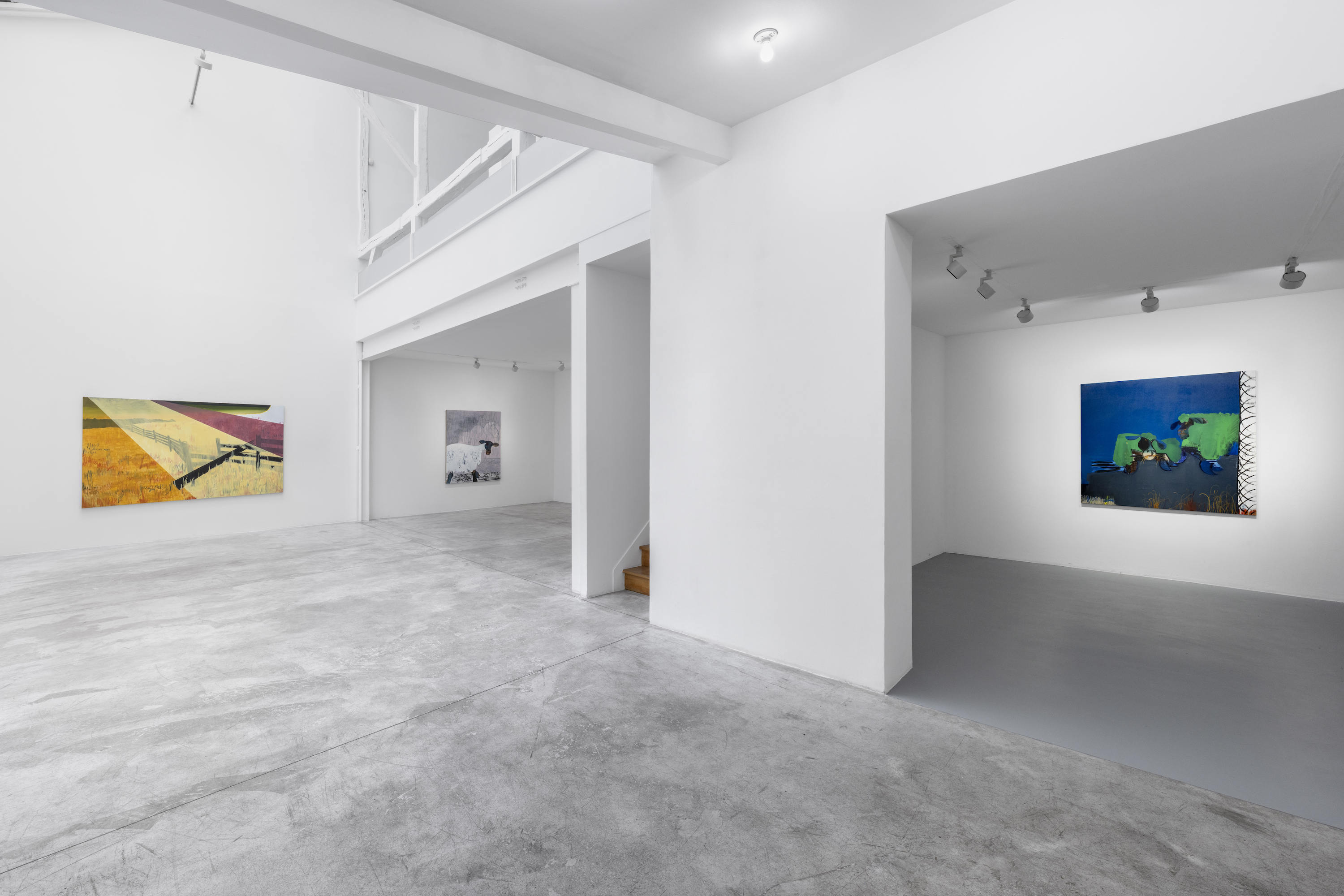
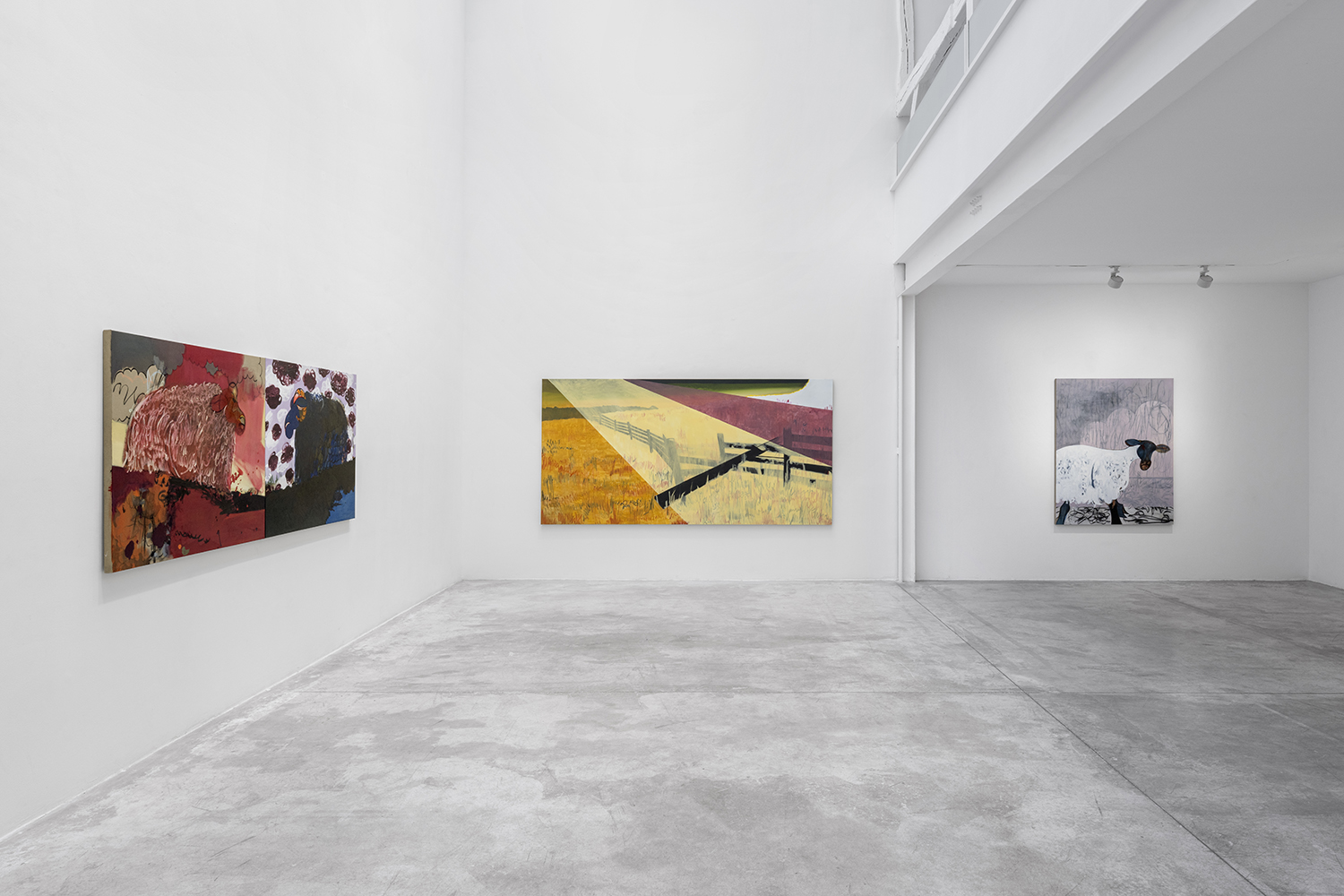
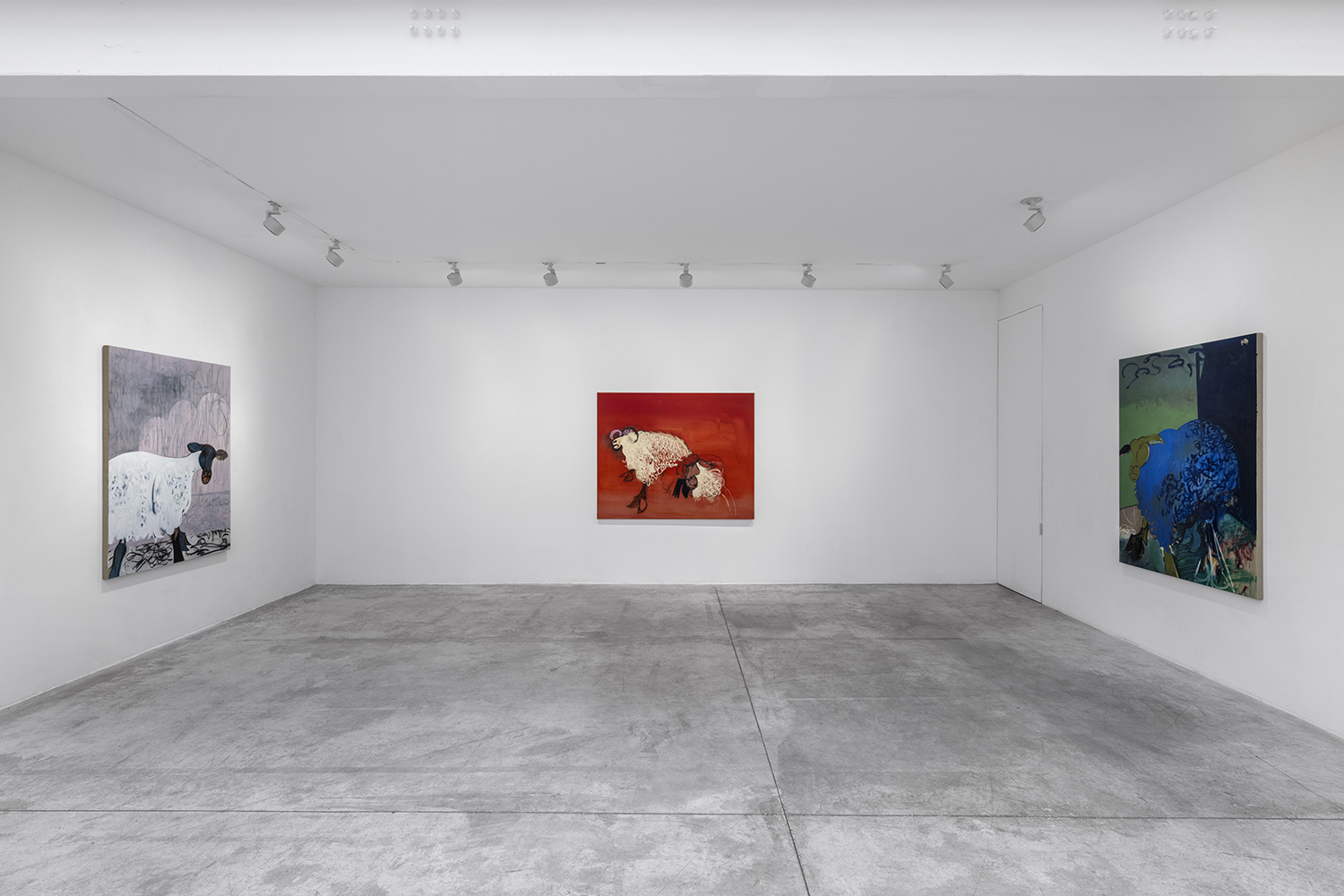
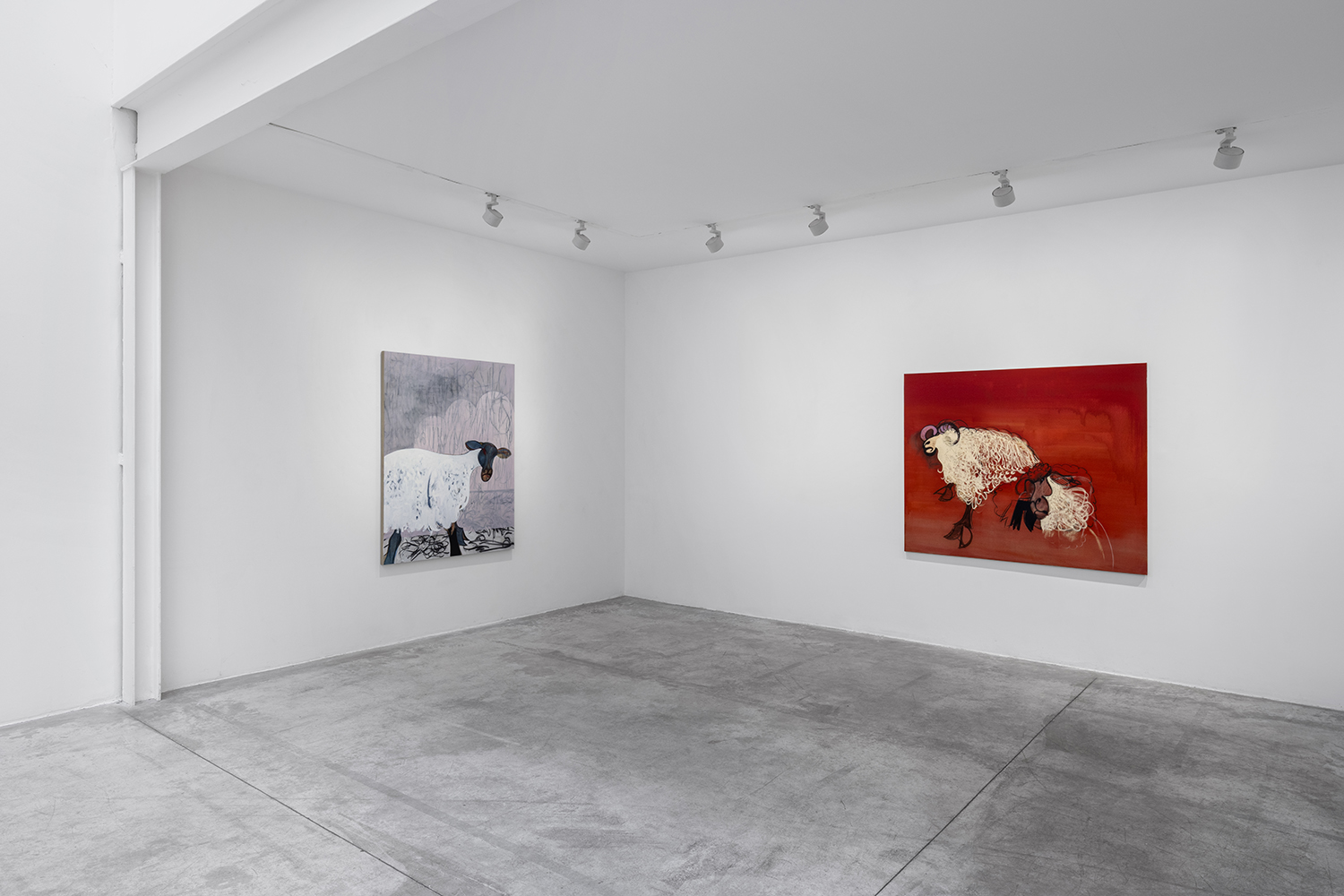
Pastoral Melody unfolds within this logic of displacement. The pastoral motif belongs to the great narratives of Western painting. The shepherd leads, protects, gathers. The sheep follows. The lamb embodies innocence, sacrifice and redemption. For centuries, these figures have served to articulate ideas of order and the organisation of the world. Hugo Ruyant suspends this order.
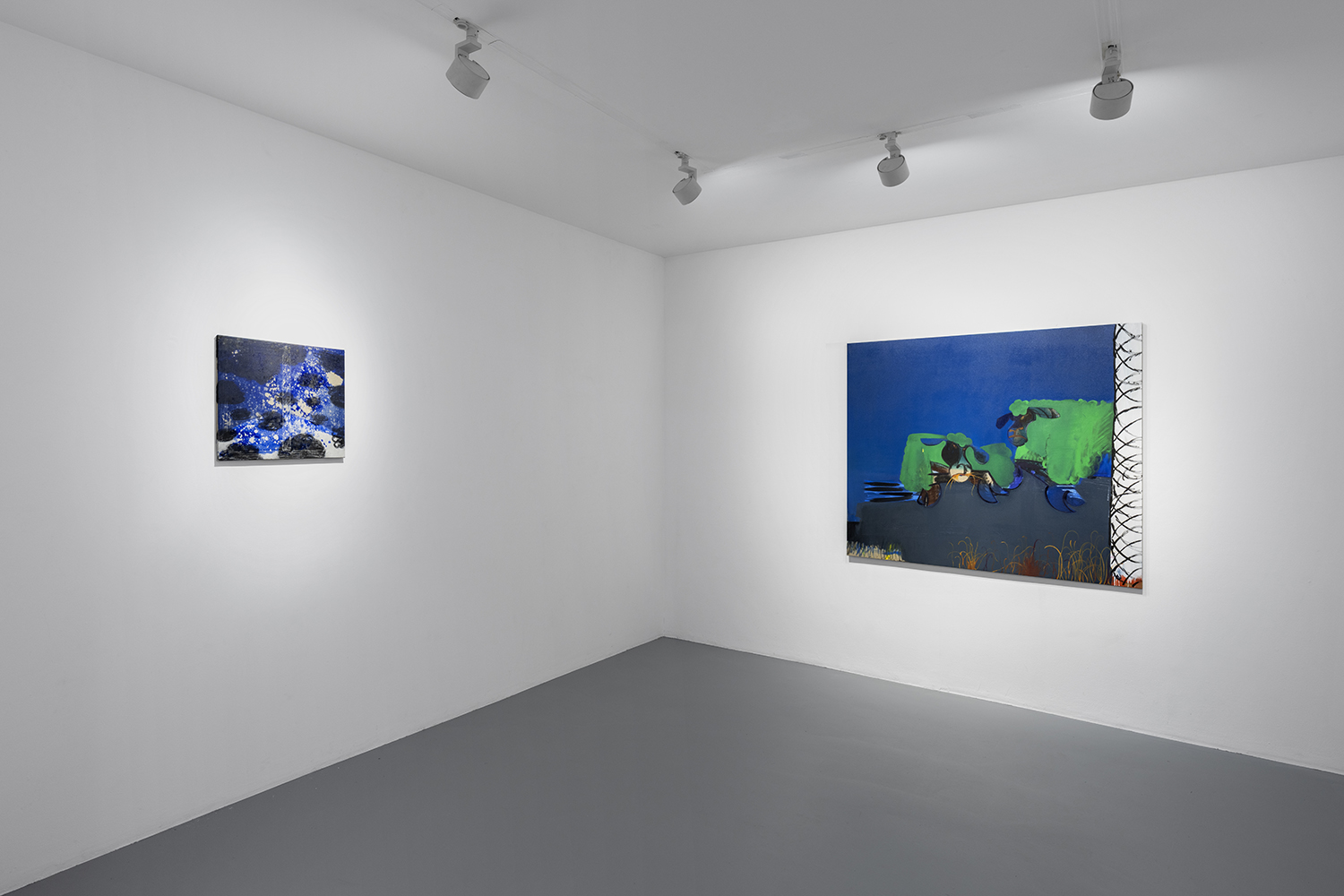
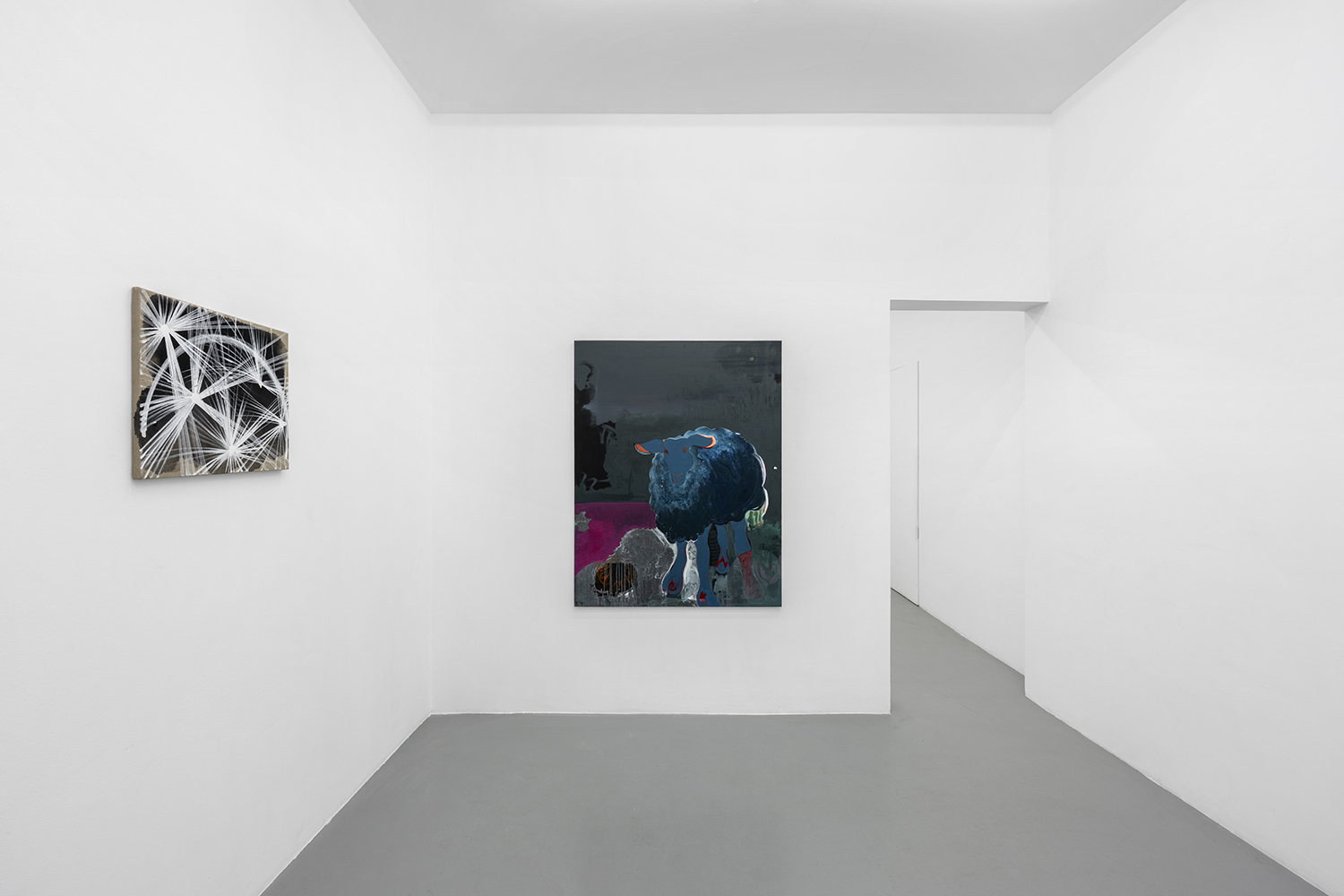
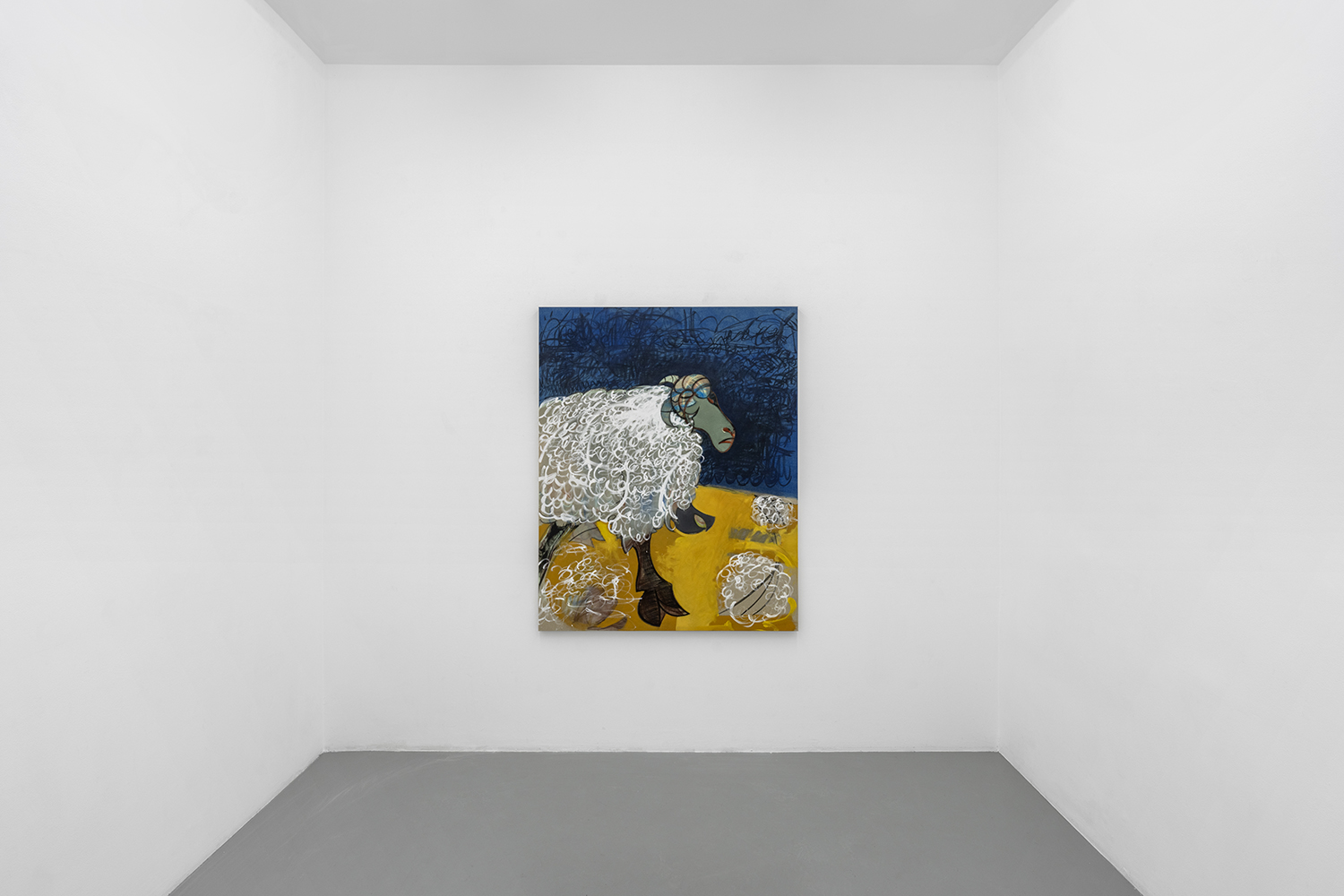
The shepherd disappears. The flock ceases to be a mass. Each sheep becomes a portrait. Each morphology asserts an irreducible singularity. The figures within the group also exist in and of themselves. Painting restores an identity to those who, for centuries, have so often been deprived of one.
This displacement resonates with the present. Our societies continually produce new figures of authority, new beliefs, new narratives. Voices overlap. Certainties fragment. Perhaps the question is how each individual might exist within, and act upon, the collective when there is no longer a leader.
Set against these earthly presences, paintings of star-filled skies emerge. Imaginary constellations. Maps without territories. They point towards no particular direction. Instead, they delineate a field of possibilities, a fragile cosmology in which every trajectory remains to be invented. The pastoral landscape thus opens onto another scale, somewhere between the intimate and the cosmic.
This is how Hugo Ruyant’s painting operates: it takes ancient forms and strips them of their original function. It does not reactivate myths; it puts them to the test. Perhaps this is where lies the affinity he claims with Paul Thek: less in the visual appearance of their works than in this capacity to unsettle symbolic systems in order to recover, beneath them, a more direct, more uncertain experience of the world.
Pastoral Melody does not tell a story. It asks an old question, made available once again: how do we continue to make images when the narratives that once guided us have lost their self-evidence?
Björn Dahlström
September 2026
